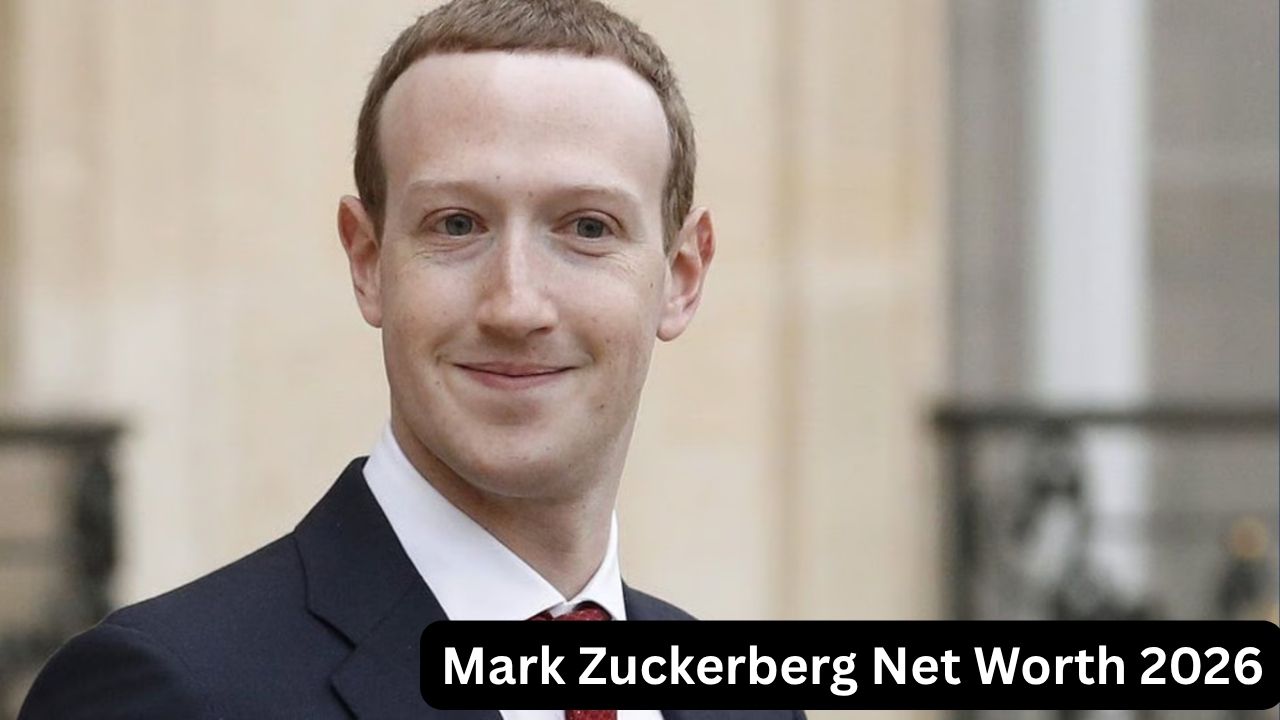
Mark Zuckerberg Net Worth 2026: What the Meta CEO Is Actually Worth Right Now
If you’ve typed “Mark Zuckerberg net worth” into Google this year, you’re not alone — it’s one of those searches that never really goes away, and 2026 has given people even more reason to look it up. Meta’s stock has been on a wild ride, and so has Zuckerberg’s fortune along with it. Here’s the short version: depending on which day you check and which tracker you trust, Zuckerberg’s net worth in mid-to-late 2026 has been pegged anywhere from around $190 billion to north of $230 billion. That’s a big range, and it’s not because anyone’s guessing wildly — it’s because his wealth is tied almost entirely to Meta stock, and that stock has swung hard this year Mark Zuckerberg Net Worth 2026.
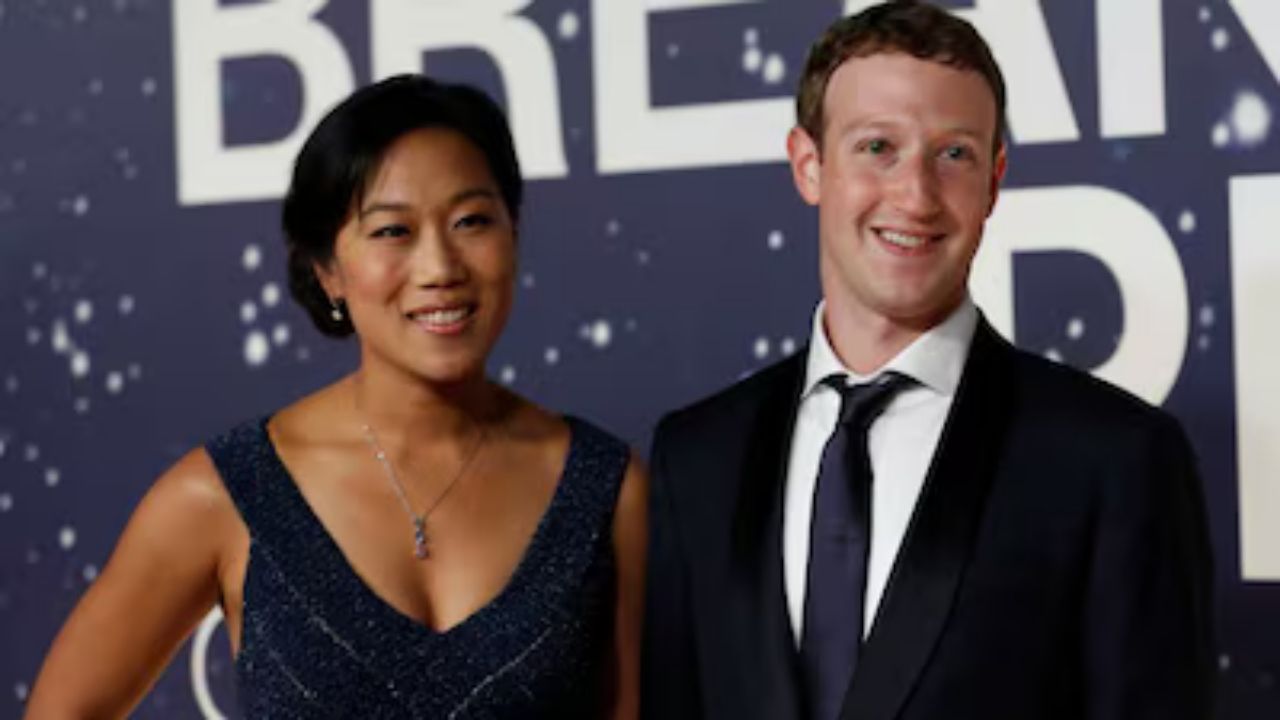
Zuckerberg has spent the better part of two decades as a fixture on every major billionaire list, but what’s interesting about 2026 specifically is how much movement there’s been within a single year. He started the year near the top of the Forbes list, climbed even higher in the spring, and then took one of the sharper hits of his career after a courtroom loss rattled investors. Few fortunes this large change this fast, and that volatility is exactly why so many people keep coming back to check the number Mark Zuckerberg Net Worth 2026.
Mark Zuckerberg Net Worth by Year | Mark Zuckerberg Net Worth 2026
Looking at the year-over-year numbers helps explain how he got from a college side project to a quarter-trillion-dollar fortune — and why the swings along the way were sometimes just as dramatic as the growth itself.
| Year | Estimated Net Worth | Main Driver |
| 2012 | $15 Billion | Facebook’s IPO |
| 2013 | $19 Billion | Post-IPO stock recovery |
| 2014 | $33 Billion | Growth in mobile advertising |
| 2015 | $34 Billion | Steady earnings growth |
| 2016 | $44 Billion | Continued global user expansion |
| 2017 | $56 Billion | Instagram’s rapid growth |
| 2018 | $71 Billion | Rising ad revenue |
| 2019 | $62 Billion | Broader stock market weakness |
| 2020 | $97 Billion | Pandemic-era digital ad boom |
| 2021 | $128 Billion | Peak valuation, Meta rebrand announced |
| 2022 | $46 Billion | Sharp tech sell-off, metaverse spending concerns |
| 2023 | $106 Billion | Meta’s “Year of Efficiency” recovery |
| 2024 | $177 Billion | AI-driven rally in Meta stock |
| 2025 | Peaked near $270 Billion | Continued AI enthusiasm, strong ad results |
| 2026 | Roughly $187B–$237B (fluctuating) | AI infrastructure spending, then legal setbacks late in the year |
A few things jump out from that table. The 2022 collapse is the most dramatic single-year drop, wiping out more than $80 billion in estimated wealth as investors soured on Meta’s metaverse pivot. The recovery that followed, though, was just as fast — by 2024 he’d more than tripled his 2022 low, riding the same AI wave that lifted most of Big Tech. And 2026 has been a year of two halves: strong early momentum followed by a rockier back stretch once courts started weighing in on Meta’s business practices.
Why the Number Keeps Moving
Unlike a lot of executives, Zuckerberg doesn’t get rich off a paycheck. His famous $1 salary is basically a running joke at this point. Nearly everything he has comes from owning roughly 13% of Meta Platforms, so when the share price moves, his net worth moves right along with it — often by billions of dollars in a single session.
Early in 2026, Forbes had him sitting around the $220 billion mark, good enough for a top-five spot on the World’s Billionaires List. By spring, Bloomberg’s numbers pushed that closer to $237 billion after a strong run in Meta shares. But things got rockier later in the year. A string of unfavorable court rulings — including a widely covered case where a jury found Meta and YouTube liable for harm tied to addictive app design — knocked billions off Meta’s market cap almost overnight, and Zuckerberg’s paper wealth took the hit along with it, reportedly dropping into the high $180 billion range at one point.
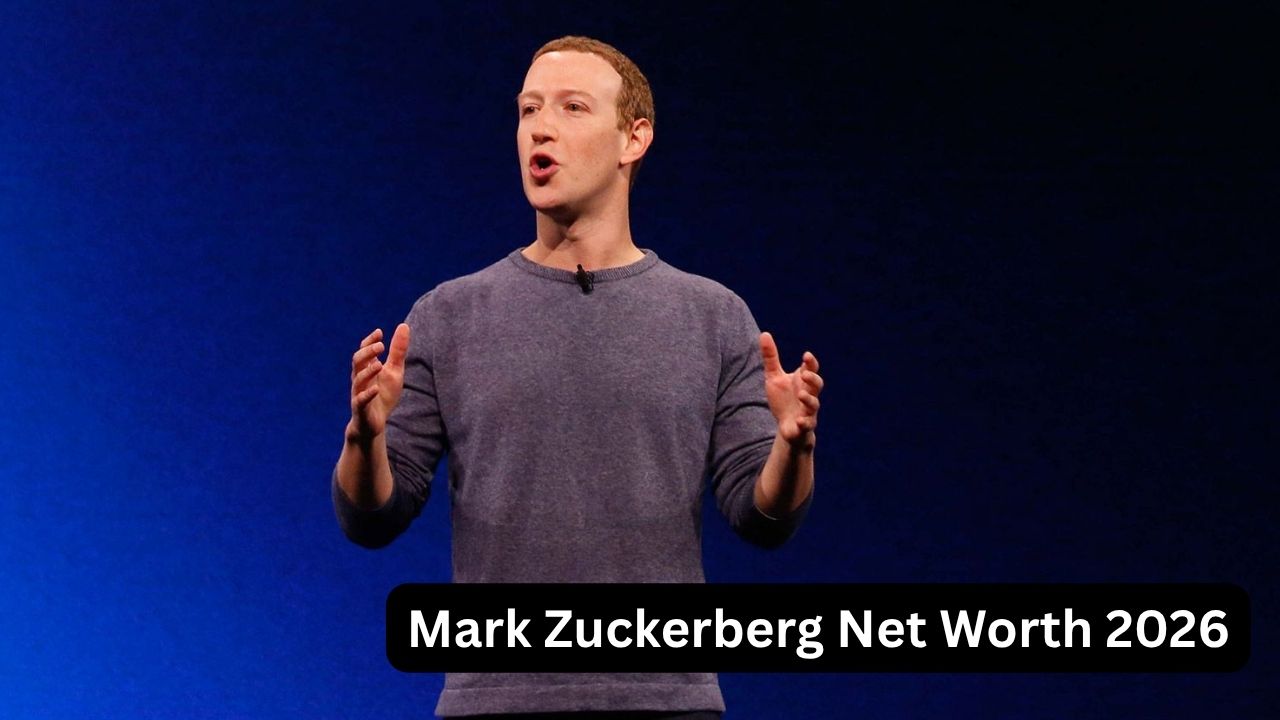
So which figure is “correct”? Honestly, they all are, just at different moments. That’s the nature of tracking a fortune built on a publicly traded stock.
From Harvard Dorm Room to Global Tech Empire
Zuckerberg was born May 14, 1984, in White Plains, New York, and was coding well before most kids his age had touched a computer for anything besides games. He enrolled at Harvard, and it was there — alongside a handful of classmates — that he built the site that would become Facebook in 2004.
He left Harvard to run the company full-time, a decision that looks obvious in hindsight but was far from a sure bet at the time. Facebook’s growth from a campus-only network into a platform used by billions of people is one of the defining business stories of the last two decades, and it’s the foundation everything else was built on.
The Deals That Changed Everything
A few moves stand out as turning points for both the company and Zuckerberg’s personal fortune:
The 2012 IPO. Taking Facebook public instantly transformed Zuckerberg’s paper wealth into one of the largest fortunes held by anyone under 30 at the time.
Buying Instagram. Meta picked up Instagram in 2012 for roughly $1 billion — a price that struck plenty of people as reckless. Instagram now pulls in an enormous share of Meta’s ad revenue and is widely considered one of the best acquisitions in tech history.
Buying WhatsApp. The 2014 WhatsApp deal extended Meta’s reach into messaging at a scale almost no competitor can match, with billions of users worldwide.
Betting big on AI. More recently, Meta has poured enormous sums into AI infrastructure, custom chips, data centers, and open-source language models. That spending has been a double-edged sword — it’s boosted investor confidence in some quarters and raised eyebrows about short-term costs in others. Wall Street has gone back and forth on whether the AI buildout is visionary or just expensive, and that back-and-forth is a big part of why Meta’s stock — and Zuckerberg’s fortune — has been so choppy this year.
Beyond those headline deals, Zuckerberg’s compensation structure has quietly played a role too. He’s taken a symbolic $1 base salary for years, but the real value has always come through equity, not payroll. That structure means his incentives are locked to shareholder returns in a way that a typical CEO salary package never would be. It also means analysts, journalists, and casual observers alike end up tracking his “net worth” almost like a stock ticker of its own — a habit that’s only grown as financial media outlets like Forbes and Bloomberg update their billionaire indexes in near real time.
What Meta Actually Owns
Meta’s portfolio is genuinely massive: Facebook, Instagram, WhatsApp, Messenger, Threads, Meta Quest, and the Reality Labs division working on VR and AR. Most of the revenue still comes from advertising, but AI and hardware are increasingly where the company is placing its long-term bets.
Because Zuckerberg’s stake in Meta is so large, his net worth is essentially a direct read on how investors feel about that whole ecosystem at any given moment.
The Rough Patches
It hasn’t been a straight line up. Meta stock cratered in 2022 amid concerns over metaverse spending and slowing ad revenue, and Zuckerberg’s net worth dropped by more than $100 billion in a stretch of about eighteen months. He clawed a lot of that back during 2023 and 2024 as AI became the market’s obsession, but 2026’s legal troubles are a reminder that even a fortune this size isn’t immune to a bad quarter — or a bad verdict.
Competition has also chipped away at Meta’s dominance more than people sometimes realize. Short-form video platforms have fought hard for the same attention and ad dollars that used to flow almost exclusively to Facebook and Instagram, and Meta has had to keep reinventing its products — Reels, Threads, and various AI-powered discovery tools — just to hold its ground. None of that is unique to Meta; it’s the reality of running a company in an industry where user habits can shift within a couple of product cycles. But it does mean Zuckerberg’s fortune has never been able to simply coast on past success.
Business Lessons From Zuckerberg’s Career
Plenty of entrepreneurs and business students study Zuckerberg’s trajectory, and a handful of themes keep showing up.
Patience with big bets. Instagram and WhatsApp both looked like overpays at the time. Neither became profitable overnight. Zuckerberg’s willingness to sit with a long-term thesis, even while critics questioned the price tag, is a big part of why both deals eventually paid off many times over.
Constant reinvention. Facebook the website barely resembles Meta the company today. Rather than defending one product forever, Zuckerberg has repeatedly pushed the company into new territory — mobile, video, VR, and now AI — often before it was clear those bets would work out.
Tolerance for short-term pain. The 2022 stock crash happened partly because investors didn’t want to stomach heavy metaverse spending with no immediate payoff. Zuckerberg pushed through it anyway, betting that patience would be rewarded eventually. Whether or not you agree with every choice, it’s a genuinely rare trait among public-company CEOs, who usually face intense pressure to prioritize the next quarter over the next decade.
Scale as the real asset. Facebook’s core insight was never really about a single clever feature — it was about building something so many people used that switching away became inconvenient. That same logic has carried through to Instagram, WhatsApp, and now to Meta’s AI products, which benefit from being distributed to billions of existing users instantly.
A Few Quick Facts
- Co-founded Facebook in 2004 at Harvard, alongside classmates including Eduardo Saverin, Dustin Moskovitz, and Chris Hughes.
- Became one of the youngest self-made billionaires in history.
- Has committed to giving away the majority of his wealth over his lifetime through the Chan Zuckerberg Initiative.
- Still takes a base salary of $1 a year.
- His net worth can shift by billions of dollars before lunchtime, purely based on how Meta trades.
Frequently Asked Questions
What is Mark Zuckerberg’s net worth in 2026? Estimates through the year have ranged from roughly $187 billion to about $237 billion, depending on the date and the source. Most trackers had him somewhere in the $200–230 billion range for much of 2026 before recent legal setbacks pulled Meta’s stock down.
How does he actually make his money? Almost entirely through his ownership stake in Meta, not salary. As the stock rises or falls, so does his fortune.
Does he still own Facebook outright? He’s a co-founder and remains one of the largest individual shareholders of Meta Platforms, Facebook’s parent company, though he doesn’t own it outright — Meta is publicly traded.
What does Meta own besides Facebook? Instagram, WhatsApp, Messenger, Threads, Meta Quest, and Reality Labs.
Why did his net worth drop recently? A combination of adverse court rulings — notably a jury verdict tied to app-design harm claims — hit Meta’s stock price hard, and since Zuckerberg’s wealth is tied to his shares, it dropped along with it.
Is he still one of the richest people alive? Yes. Even after this year’s swings, he’s consistently ranked among the top five to ten wealthiest people in the world on both the Forbes and Bloomberg billionaire indexes.
Mark Zuckerberg’s net worth isn’t a fixed number — it’s a live scoreboard for how the market feels about Meta on any given day. What hasn’t changed is the underlying story: a company he started in a dorm room now touches billions of lives, and however the stock swings week to week, that scale is what keeps him near the top of every billionaire list in 2026.